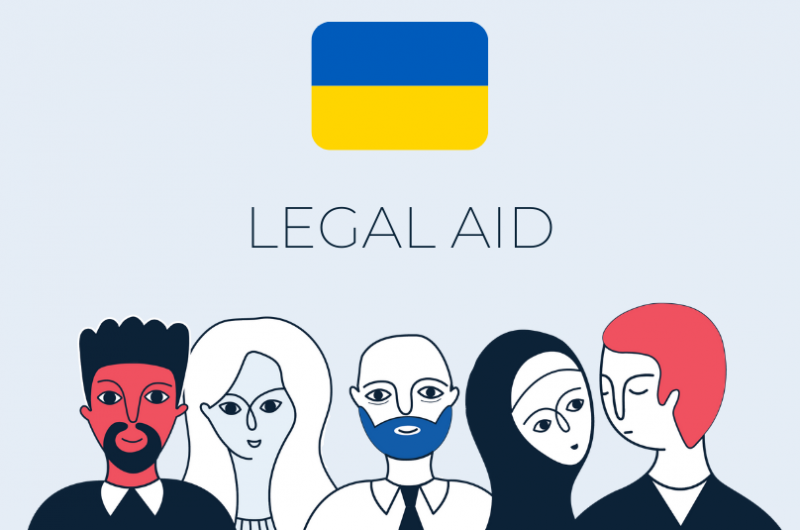
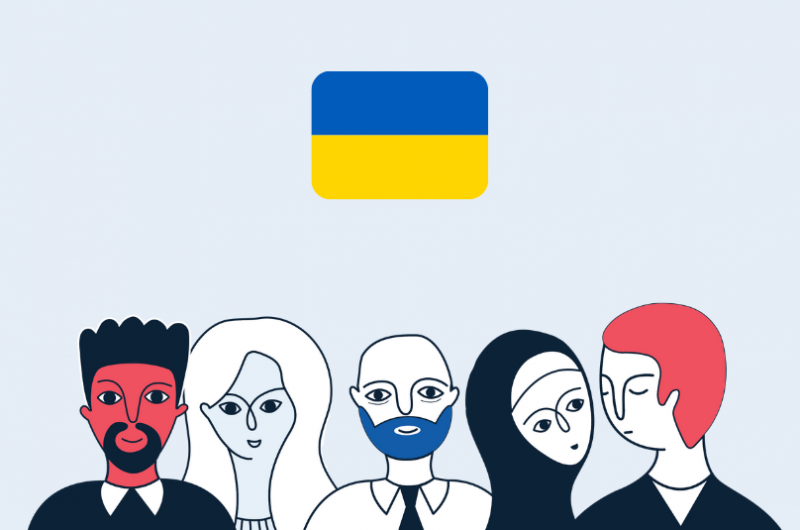
For those seeking legal assistance or general guidance on temporary asylum and asylum, we have produced leaflets in four languages – Slovak, English, Ukrainian and Russian.
The leaflet contains general information about what discrimination is, what are forms and areas of discrimination and how to proceed if a person has been victim of discrimination.
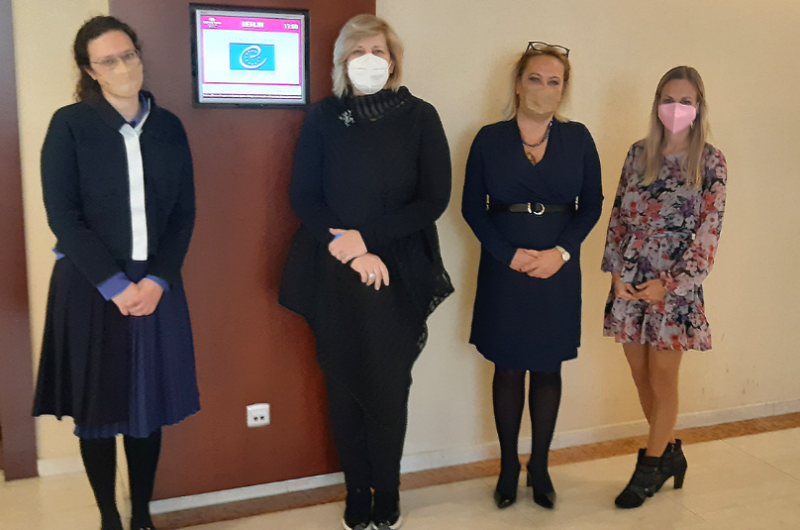
On March 21 2021, Executive Director Silvia Porubänová, alongside with the Centre representatives Zuzana Pavlíčková and Katarína Medľová, met with Council of Europe Commissioner for Human Rights Dunja Mijatović and her team as a part of a monitoring/mapping visit to Slovakia in connection with people fleeing Ukraine’s war conflict. Representatives from the Office of the Public Defender of Human Rights, the International Organization for Migration (IOM), and the United Nations High Commissioner for Refugees also attended the meeting (UNHCR).
The main aim of the meeting was to exchange preliminary findings on the protection and promotion of human rights and fundamental freedoms of people fleeing Ukraine’s war conflict, such as access to information on their fundamental rights, protection from human trafficking, protection from discrimination, and the specific challenges faced by vulnerable groups (women, children, Roma and third-country nationals). The Centre informed the Commissioner of its preliminary findings from the mapping exercise, as well as the next actions and activities planned, at the meeting.
The protection of fundamental human rights and freedoms is also important in such unprecedented times. We are ready to provide assistance for those who feel threatened by the war. For people from Ukraine who come to Slovakia, we have set up an email contact: pravnapomocutecencom@snslp.sk, through which you can ask us questions regarding legal aid.
Ladies and gentlemen, we have published a Report on the Observance of Human Rights, Including the Principle of Equal Treatment in the Slovak Republic for 2020, which is published every year by the 30th of April.
The spread of the COVID-19 disease marked the year 2020 and had a major impact on the exercise of human rights and fundamental freedoms, with a particularly negative impact on the most vulnerable groups.
Although the pandemic undoubtedly changed the way of life of each individual, the marginalized Roma Communities, persons with disabilities, older persons, homeless persons‘ Women, children and many others felt the negative effects of the measures in response much more sensitively. The COVID-l9 pandemic and the measures taken by the state authorities have further exacerbated existing inequalities and underlined vulnerability of certain groups of Slovak population.
Independent and strong NGOs are an essential component of a sound democratic establishment. They help and support all of us, they try for our voice to be always heard.
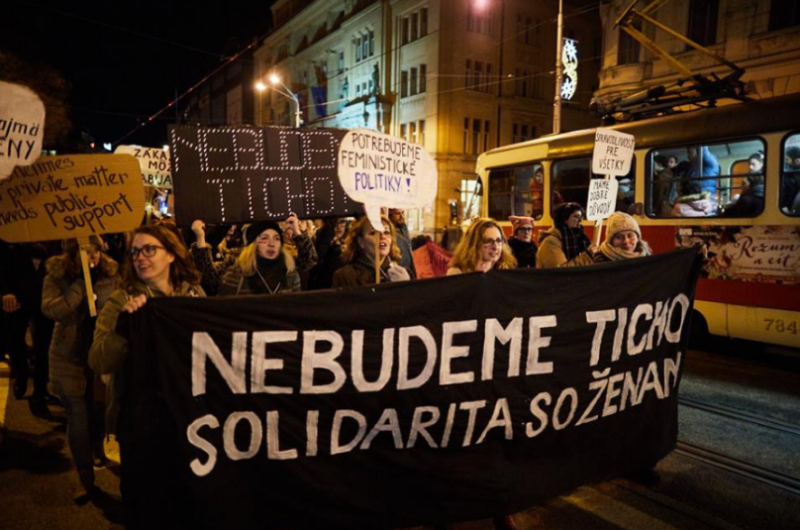
They educate, publish, sensitize, operate crisis helplines and centers for women experiencing violence or organize women’s rights marches. Their activities often replace the basic functions of the state or they fight for the state authorities to be held responsible for violations of human rights – our rights.
In 2020, the Ministry of Health of the Slovak Republic started the process of novelization of the Decree No. 74/1986 Coll. implementing Act No. 73/1986 Coll. on Abortions, as amended. The ministry aimed at exempting the age of 40 years + from the List of Illnesses, Syndromes, and Conditions that are health indications for abortion.
According to the Ministry of Health of the Slovak Republic, the reason for exemption of the age 40 years + was significant medical progress and introduction of new technologies, devices, diagnostics and therapeutical methods that can diagnose damages in fetus with high accuracy.




 Počúvajte